Texto
PredeterminadoAny3D.cc
El contenido de texto que se va a convertir en un modelo 3D. Se admite texto de varias líneas.
Convierte texto en letras 3D STL imprimibles, compatibles con Cura, PrusaSlicer, Bambu Studio.
Por favor, espera
Genera texto STL estanco que se abre en cualquier laminador. La base sujeta los trazos voladizos, y la negrita facilita una impresión sin fallos.
PredeterminadoAny3D.cc
El contenido de texto que se va a convertir en un modelo 3D. Se admite texto de varias líneas.
PredeterminadoOswald (Display negrita)
La tipografía usada para generar la geometría 3D del texto. Cada fuente produce distintos grosores de trazo y formas de carácter.
Sans condensada para rótulos con trazos fuertes, ideal para títulos e impresión 3D.
Sans moderna y neutra para texto corrido legible y etiquetas de interfaz.
Serif clásica para insignias premium, placas y etiquetas de tradición.
Monoespaciada para dimensiones, SKU y anotaciones técnicas.
Sans que cubre glifos de chino simplificado, japonés y coreano.
Sans que cubre la escritura árabe con un grosor de trazo listo para imprimir.
Predeterminado30
Rango5 – 100
La anchura total de la geometría del texto en milímetros.
Predeterminado6
Rango2 – 50
La altura total de la geometría del texto en milímetros.
Predeterminado3
Rango0.5 – 20 · step 0.5
La profundidad de extrusión del texto en milímetros. Controla cuánto sobresale el texto.
Bloquea las tres dimensiones para escalar de forma proporcional y mantener la relación de aspecto.
PredeterminadoActivado
Mantiene fija la relación anchura-altura al cambiar el tamaño.
PredeterminadoVertical
Elige si el texto queda en vertical o tumbado para la impresión 3D.
El texto se eleva desde la placa de impresión. Ideal para placas de identificación y carteles.
La geometría del texto queda plana. Útil para diseños de incrustación e insignias planas.
Predeterminado0
Rango-50 – 50 · step 0.5
Mueve la geometría del texto a izquierda o derecha en el eje X.
Predeterminado0
Rango-20 – 50 · step 0.5
Mueve la geometría del texto arriba o abajo en el eje Y.
Predeterminado0
Rango-20 – 20 · step 0.5
Mueve la geometría del texto hacia delante o hacia atrás en el eje Z.
Predeterminado0.5
Rango0 – 3 · step 0.1
Controla cuánto se redondean los bordes del texto. Añade un acabado pulido, pero aumenta el número de caras.
Predeterminado3
Rango1 – 8
El número de segmentos usados para crear la curva del bisel. Más segmentos producen biseles más suaves a costa de más geometría.
Predeterminado2
Rango0.5 – 20 · step 0.5
El grosor de la placa base bajo el texto. Una base más gruesa aporta más estabilidad y mantiene las letras unidas.
Predeterminado2
Rango0 – 20 · step 0.5
Margen horizontal adicional alrededor del texto en la placa base.
Predeterminado2
Rango0 – 20 · step 0.5
Margen vertical adicional alrededor del texto en la placa base.
PredeterminadoDesactivado
Indica si se redondean los bordes de la placa base.
Predeterminado0.3
Rango0.1 – 3 · step 0.1
El radio del redondeo de las esquinas de la placa base.
Predeterminado2
Rango1 – 8
El número de segmentos de la curva del bisel de la placa base.
Predeterminado#3b82f6
El color de la geometría extruida del texto. En 3MF y GLB, este color se conserva en el archivo de salida.
Predeterminado#9ca3af
El color de la placa base. Solo se conserva en los formatos de salida 3MF y GLB.
Escribe el texto que quieres convertir en un modelo 3D. Admite varias líneas.
Elige una fuente, ajusta tamaño, profundidad de extrusión, bisel y base opcional. Los colores se previsualizan en vivo.
Descarga el modelo de un solo archivo STL listo para usar.
STL es el formato de impresión 3D con mayor compatibilidad. La herramienta exporta una malla estanca y se puede llevar directamente al laminador sin pasos intermedios.
Elige una fuente en negrita, activa la base, aplica un bisel moderado y usa suficiente profundidad de extrusión. Así los trazos finos y las letras pequeñas quedan firmemente unidos a la base y es mucho menos probable que se despeguen o se rompan durante la impresión.
Sí. El texto y la base se exportan como una única malla estanca y conectada, con todos los trazos adheridos a la base para facilitar la impresión.
No. Solo están disponibles seis fuentes latinas integradas (Helvetiker, Gentilis y Optimer, en regular y negrita). No hay selector de fuentes del sistema ni carga de fuentes personalizadas. Los caracteres que no pertenezcan a la fuente seleccionada, incluidos los CJK, se omiten.
STL almacena superficies como triángulos planos, así que las curvas se aproximan por segmentos. Los contornos de las letras se generan con teselado suave de curvas y se ven limpios en tamaños de impresión habituales. Los segmentos de bisel (1-8) controlan el redondeado: cuantos más, más suave es el bisel, pero mayor es el archivo.
No hay un mínimo fijo: la legibilidad depende del grosor del trazo frente a la boquilla. Con una boquilla de 0,4 mm, los trazos de menos de unos 0,8-1 mm suelen fallar. Elige una fuente en negrita y mantén la altura de las letras en al menos unos milímetros para que las piezas pequeñas salgan limpias.
Sí, las funciones principales de Any3D son gratuitas para siempre. Ofrecemos conversión de formatos, optimización de modelos y vista previa en línea sin coste y sin registro.
No. Los archivos que selecciona se procesan solo en su navegador en este dispositivo: no salen de su dispositivo ni se envían a nuestros servidores. No almacenamos archivos de usuarios; tras el procesamiento, los datos relacionados en la memoria del navegador se liberan.
No hace falta instalar nada. Any3D funciona íntegramente en el navegador: solo abre la página web para usar todas las funciones. Funciona en Windows, Mac, Linux y otros sistemas operativos principales.
La capacidad de procesamiento depende del rendimiento de su dispositivo y de la cantidad de vértices y la complejidad de texturas del modelo, no solo del tamaño del archivo. No imponemos ningún límite de tamaño, pero cuando un modelo supera lo que su dispositivo puede manejar, la página puede ralentizarse o incluso bloquearse.
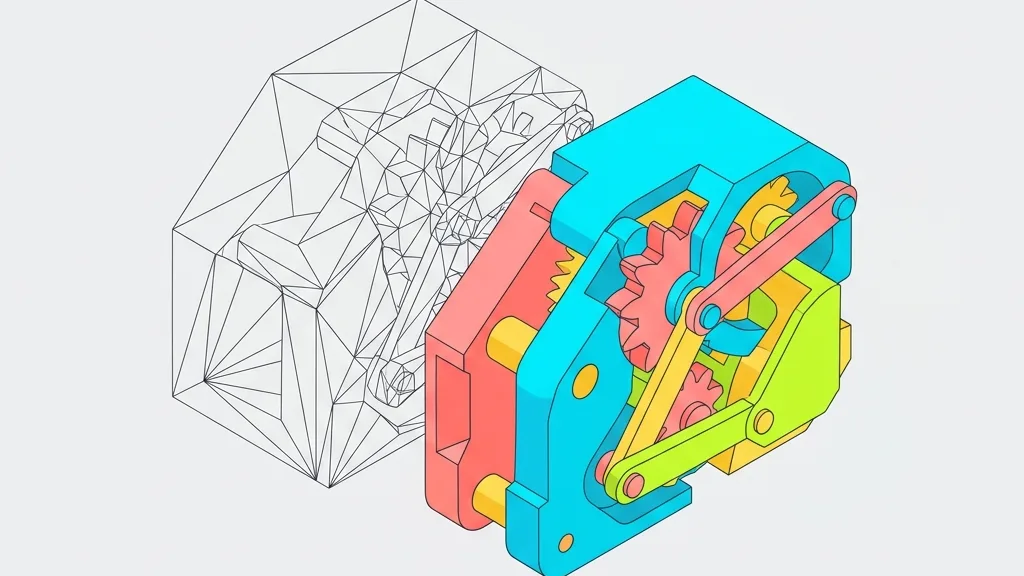
Compara 3MF y STL en el taller real: por qué fallan los modelos de Bambu Studio en Cura, cómo corregir la escala de unidades y convertir a multicolor.
Tu archivo GLB de 10 MB puede consumir 200 MB de VRAM en el móvil y colapsar. Vamos a desmenuzar el problema y a ver por qué el tamaño en disco engaña tanto.
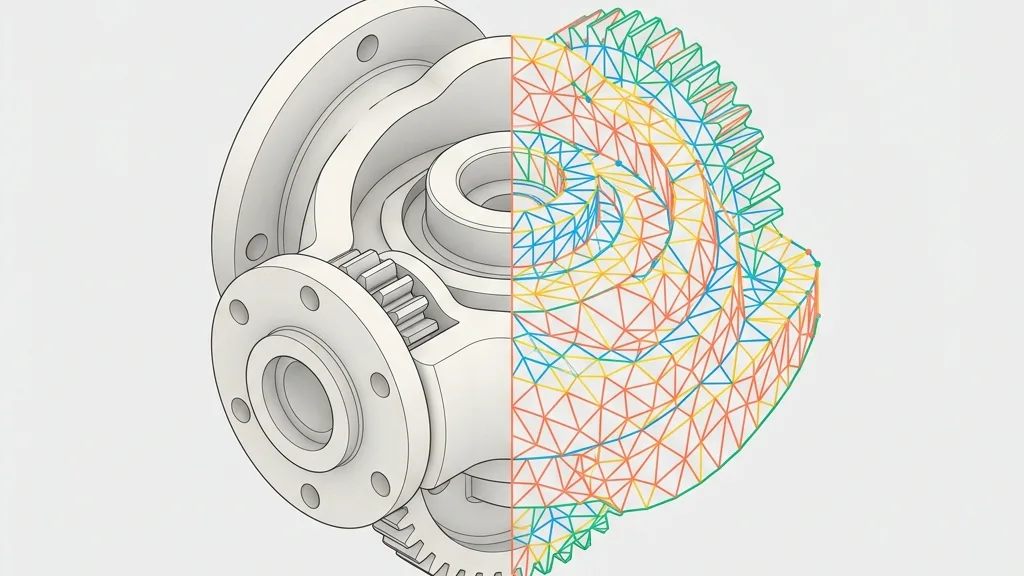
Desvelamos la conversión entre sólidos CAD (B-Rep) y mallas poligonales STL: valores de tolerancia para SolidWorks y alternativas cuando el proceso inverso no es viable.
¿Cuántos bytes ocupan realmente los datos de vértices? ¿Cuándo conviene usar cuantización, MeshOpt o Draco? No es «Draco es lo mejor», sino «cada escenario tiene su solución óptima».