Convertitore STP in STL
Transform precise CAD models from STEP format into STL meshes ready for 3D printing. Adjustable tessellation resolution for optimal print quality.
Caricamento...
Attendere prego
Informazioni sullo strumento
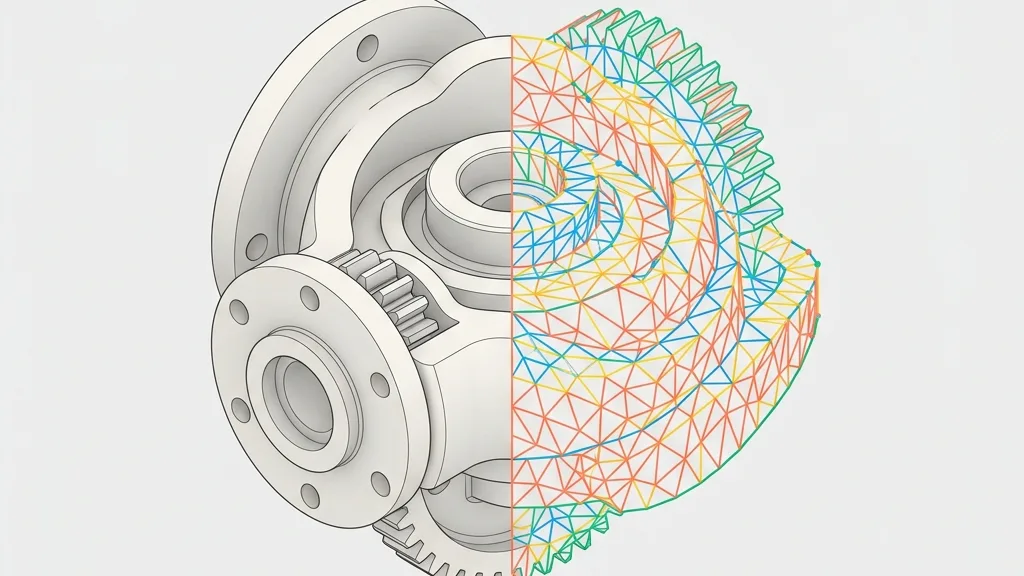
STEP files contain mathematically precise CAD surfaces (NURBS, B-rep), which must be tessellated into triangle meshes for 3D printing. This converter performs high-quality surface meshing with adjustable precision to balance detail and file size for your print.
Tips
- 1Estrae automaticamente le informazioni del modello
- 2Supporta ottimizzazione mesh e incorporamento texture
- 3Anteprima 3D in tempo reale
Come usare
Carica il tuo STP
Trascina il file STP o clicca per sfogliare
Verifica info modello e impostazioni
Controlla le informazioni del modello e regola le impostazioni di conversione
Scarica STL
Clicca converti e scarica il file STL istantaneamente
Domande frequenti
What precision should I use for STEP to STL conversion?
Lower precision values produce finer mesh detail but larger files, ideal for curved or organic CAD surfaces. Higher values create coarser meshes suitable for simple mechanical parts. Start with the default setting and adjust based on your print requirements.
Can this converter handle complex CAD assemblies?
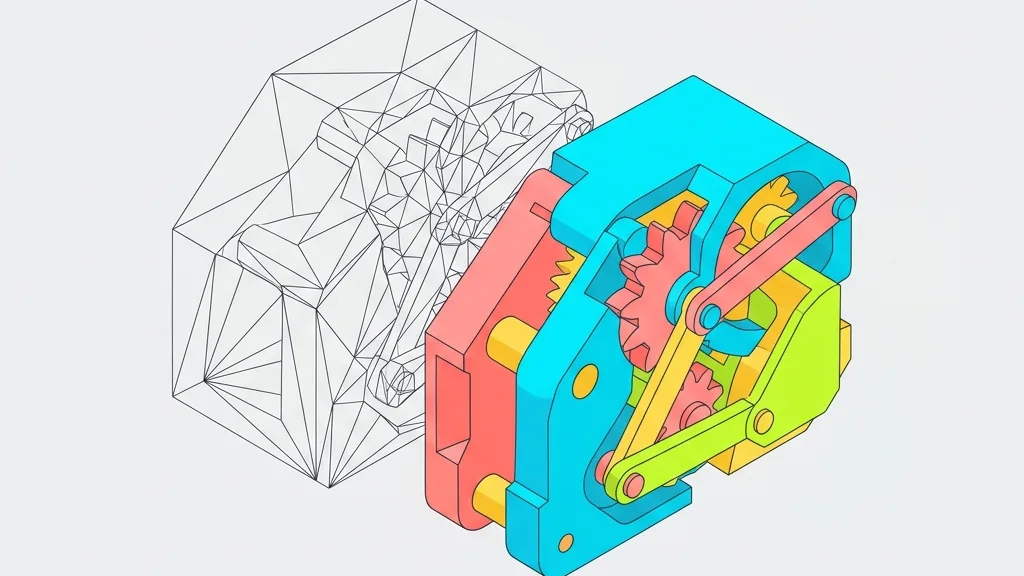
STEP files with multiple bodies or assemblies are supported. Each solid body is tessellated and merged into the output STL. For separate printable parts, consider converting individual components.
Which STEP file versions are supported?
STEP AP203, AP214, and AP242 — the most widely used versions — are all supported, covering the vast majority of STEP files exported by CAD software. If you encounter an unsupported version, try re-exporting as AP214 from your CAD application.
Will dimensional tolerances and annotations be preserved?
No. Engineering annotations, tolerance information, and metadata in STEP files are lost during STL conversion. STL only retains geometry. We recommend recording important engineering parameters before converting.
What if the converted STL has too many faces?
You can reduce the face count by lowering the precision setting in the conversion options. Alternatively, use a mesh simplification tool after conversion to optimize the file size while maintaining visual quality.
How long does the conversion take?
Conversione time depends on STEP model complexity. Simple parts typically finish in seconds, while complex assemblies or high-precision surfaces may take from ten seconds up to a minute.